+ Website problems
Slow website? Find what's slowing it down, then fix it properly
Most slow sites come down to a handful of fixable causes: heavy images, too many scripts, underpowered hosting. We find which ones apply to yours, fix them in order of impact, and show you the before and after.
How to tell you have this problem
If a few of these sound familiar, your site's speed is worth a proper look.
- The main content takes longer than 2.5 seconds to appear. That is the line Google sets for a "good" Largest Contentful Paint.
- Your mobile score in PageSpeed Insights is in the red, which Lighthouse defines as 0 to 49.
- Pages feel fine on the office wifi but drag on a phone on mobile data.
- Buttons don't respond straight away, or the layout jumps as images load in.
- Customers mention it, or you find yourself apologising for the site before you send the link.
What causes it
Speed problems rarely have a single cause. These are the ones we find most often.
Oversized images. Photos uploaded straight from a camera or phone and served at full size to a screen that shows them a fraction as wide.
Too many plugins and scripts. Every chat widget, tracking tag, slider and page builder adds code the browser has to download and run before the page settles.
Underpowered hosting. Cheap shared hosting puts your site on a server with many others, so it slows down whenever they get busy.
No caching. Without caching, the server rebuilds every page from scratch for every visitor.
Bloated themes. Multipurpose themes ship styles and scripts for features you never use, and every page loads them anyway.
What it costs you
A slow page costs you twice. Visitors who are ready to call or buy wait, lose patience and go back to the search results, where a competitor is one tap away. The ones who stay form their first impression of your business from a site that feels broken.
Speed plays a part in search too, though a smaller one than it is often given credit for. Google says its ranking systems use Core Web Vitals, and also that it will still show the most relevant content even when the page experience is poor. A fast page won't outrank a better answer, but where several pages answer a search equally well, a good page experience can help.
How we fix it
-
Step 1
Measure before we touch anything
We test your key pages in PageSpeed Insights and Lighthouse, check real-user Core Web Vitals where Google has the data, and record the numbers so you can see exactly what changed.
-
Step 2
Fix the biggest causes first
Images resized and compressed, unused plugins and scripts removed, caching set up and render-blocking code deferred. Our website performance work runs through these in order of impact.
-
Step 3
Fix the foundations if they are the limit
If the server is the bottleneck, we move the site to managed hosting. If the theme is so heavy that tuning only goes so far, we recommend a lean rebuild through our web development team, and tell you why before you spend anything.
-
Step 4
Retest and keep it fast
We run the same tests again and show you the before and after. Sites slow down again as new plugins and images pile up, so we can keep an eye on it for you as part of SiteCare maintenance.
What you can check yourself
- 1. Run your homepage and your busiest page through PageSpeed Insights (pagespeed.web.dev) on the mobile setting, and save the scores so you can compare later.
- 2. Resize photos to the width they actually display at, then compress them with a tool like TinyPNG or Squoosh before uploading.
- 3. Deactivate and delete plugins you no longer use, testing the site after each one.
- 4. Remove tracking tags and widgets for tools you no longer use.
- 5. Ask your host whether caching is switched on and whether your plan includes a CDN.
+ Case studies
Real results
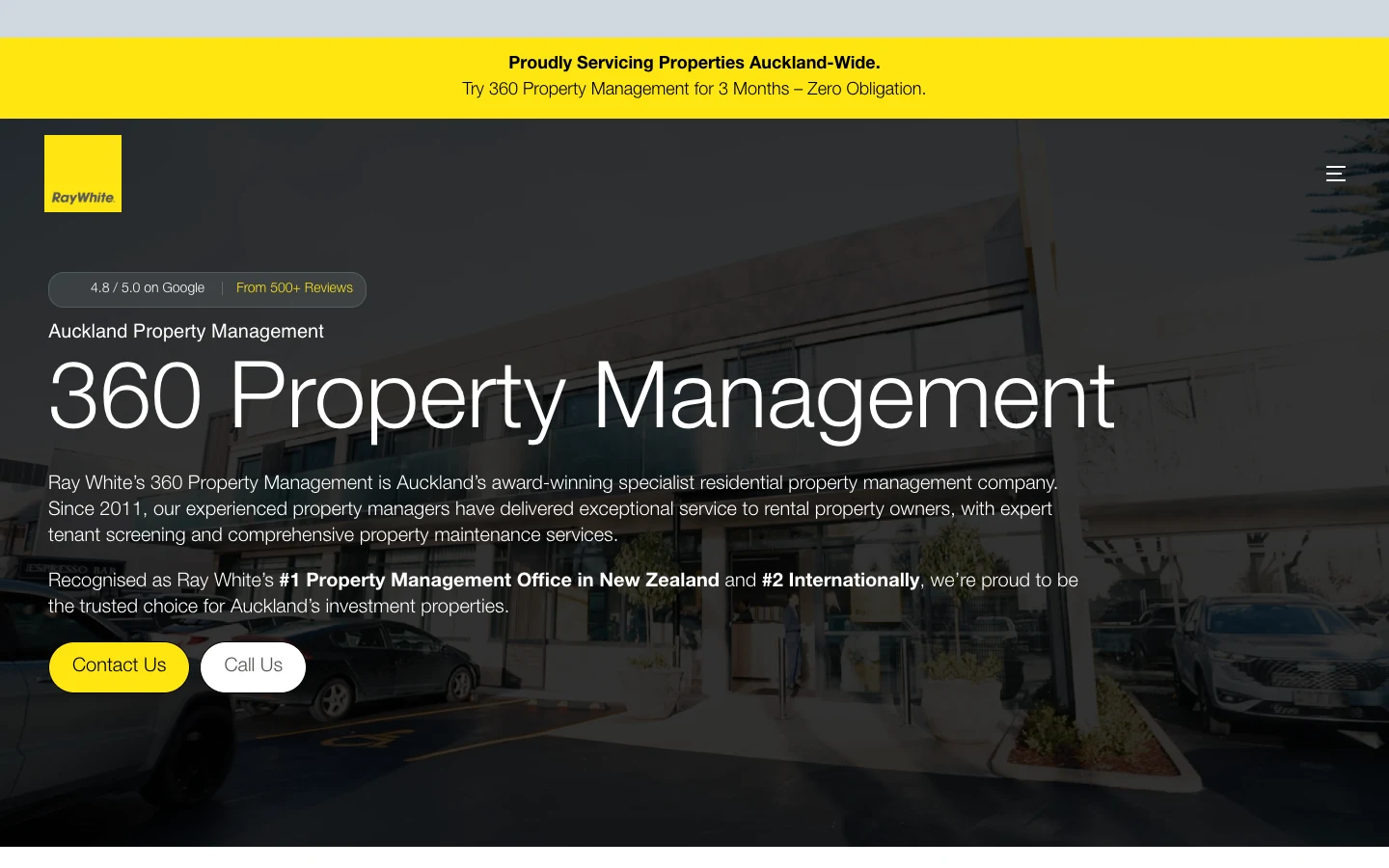
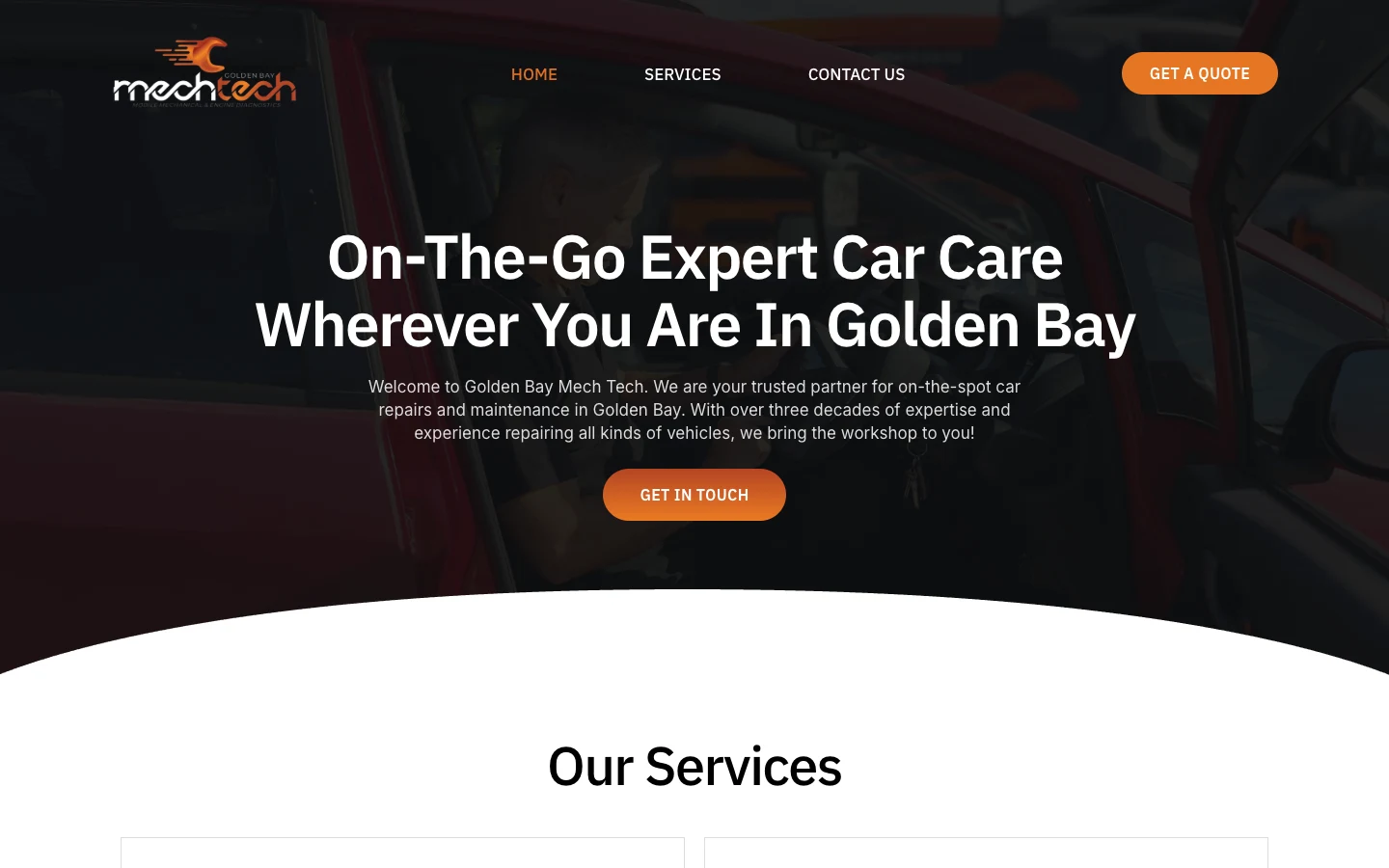
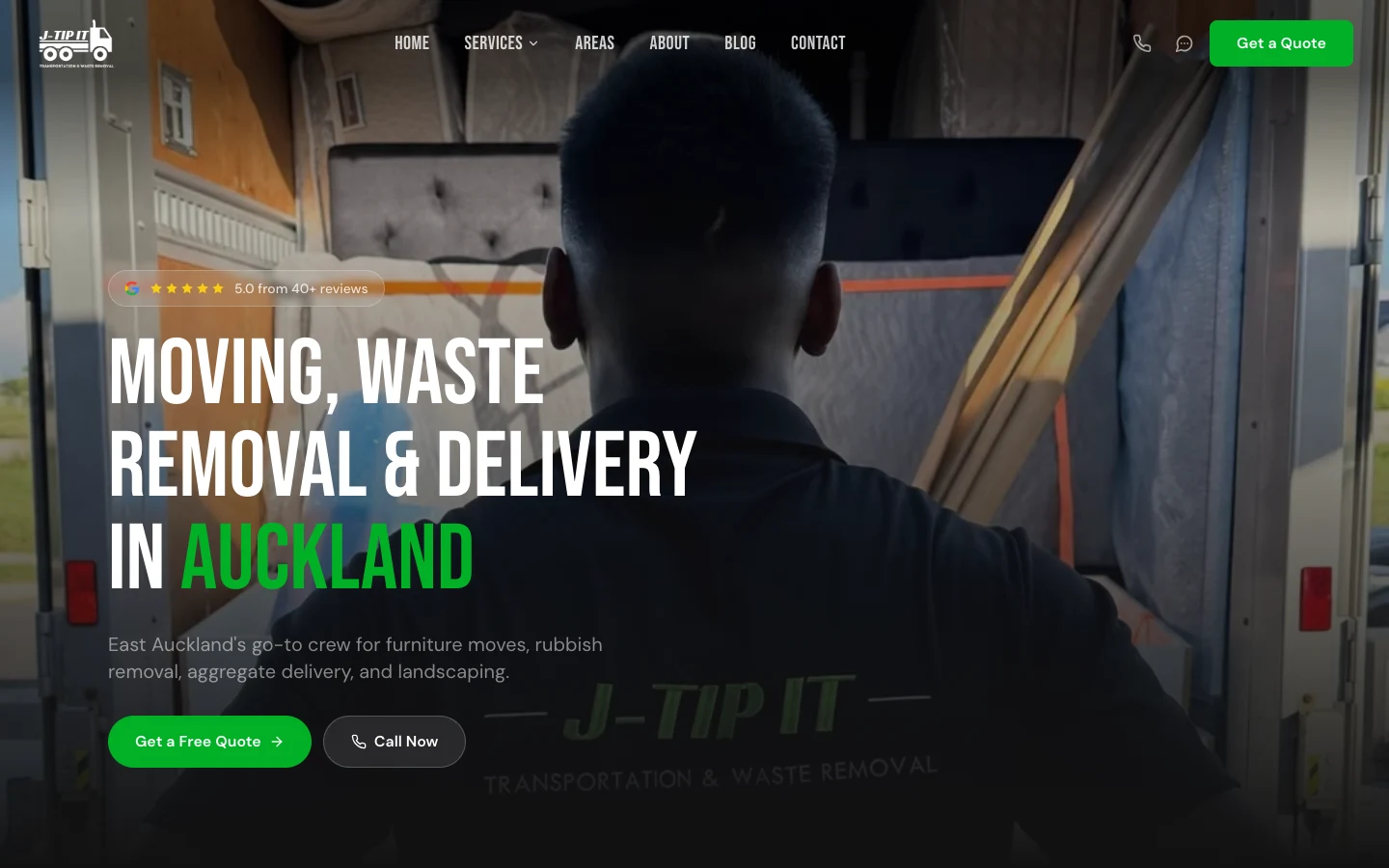
Projects where we took on the same kind of problem. Each one links to the full case study.
What our clients say
Real results from real businesses. See why clients trust us with their digital growth.
"I couldn’t recommend Jason and Lucid Media highly enough. I’ve had around 10 websites developed over the years, and Jason is by far the best web developer I’ve ever worked with. He is incredibly hard-working, efficient, knowledgeable and very easy to deal with. Nothing was ever a problem, communication was excellent, and he genuinely knows what he’s doing. What impressed me most was how quickly he got things done while still paying attention to the details. The whole process was straightforward and professional from start to finish, and all for a very reasonable price. If you’re looking for someone to design or develop a website, I would highly recommend Jason and Lucid Media. I’ll definitely be using him again for any future development work. If there were 10 stars I'd be giving it to them."
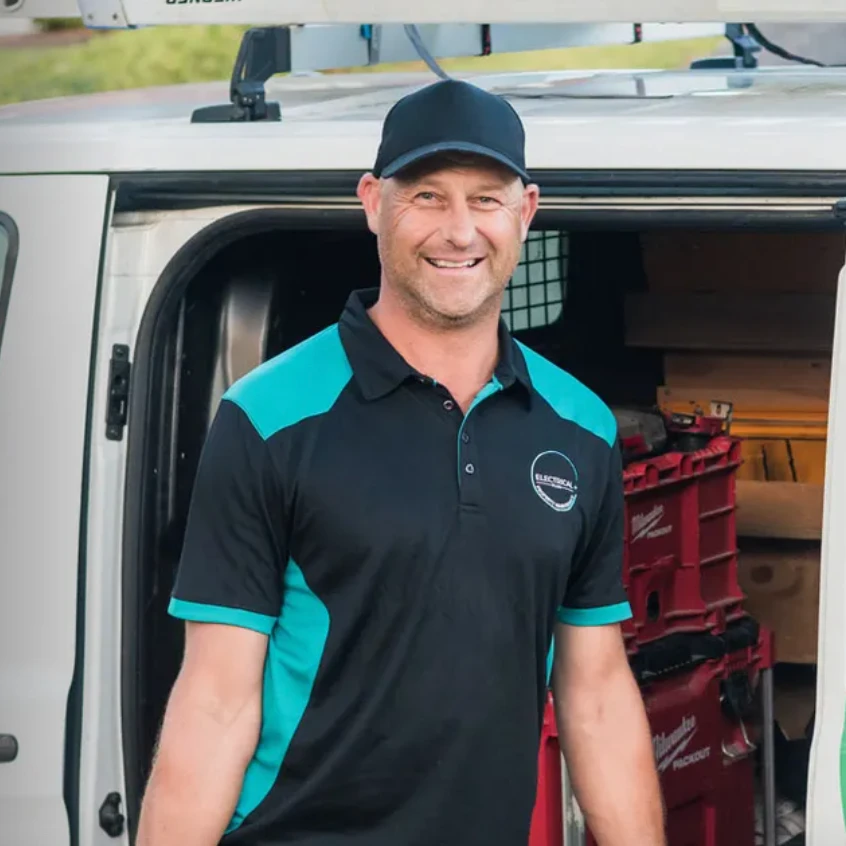
"Jason took the time to understand our vision and business needs, translating them into a stunning, user-friendly website. Communication throughout the project was seamless. We highly recommend Lucid Media to anyone looking for top-notch web design services. Their talent, dedication, and customer-focused approach make them a standout in the field."

"We've been working with Jason from Lucid Media and couldn't recommend him more. He's been a fast communicator, proactive, and always willing to help. Jason goes above and beyond with providing recommendations and support. The websites he's built and implemented for us have been excellent. He has captured our business perfectly and ensured that it is user friendly on both desktop/mobile. Fantastic service!"

"Jason and his team have been fantastic to work with from the initial website design and with the ongoing maintenance. They built us a really professional and well-designed site that represents our business well. It is nice to know someone reliable can manage our website and make sure it stays ranking on Google."

"We recently wanted to bring our idea for an app to life and Jason has been amazing to work with on this project. He worked quickly and efficiently, turning our ideas into reality. His expertise made the process smooth, and implemented any changes really quickly until things were working just as we needed. We're thrilled with the final product and will continue working with Jason on future projects."

"Working with Jason @ Lucid Media on our website was a great experience from start to finish. Jason brought our vision to life with creativity and professionalism. The design is clean and modern, and the functionality is exactly what we needed. Highly recommend to anyone looking for top-tier web design and development."

"Jason and team at Lucid Media were absolutely great in delivering our company's e-commerce website. It was a great experience from start to finish - and even beyond! I would especially like to highlight the clear communication, willingness to make changes and tailoring the end product to our needs, throughout the entire process. Best of luck in the future and I'm sure we will be working with Lucid Media again soon!"

"Jason has been awesome to work with over the last few months. Whenever we've had any sort of issue with our website, he is extremely prompt in resolving it. Very professional and helpful, I highly recommend."

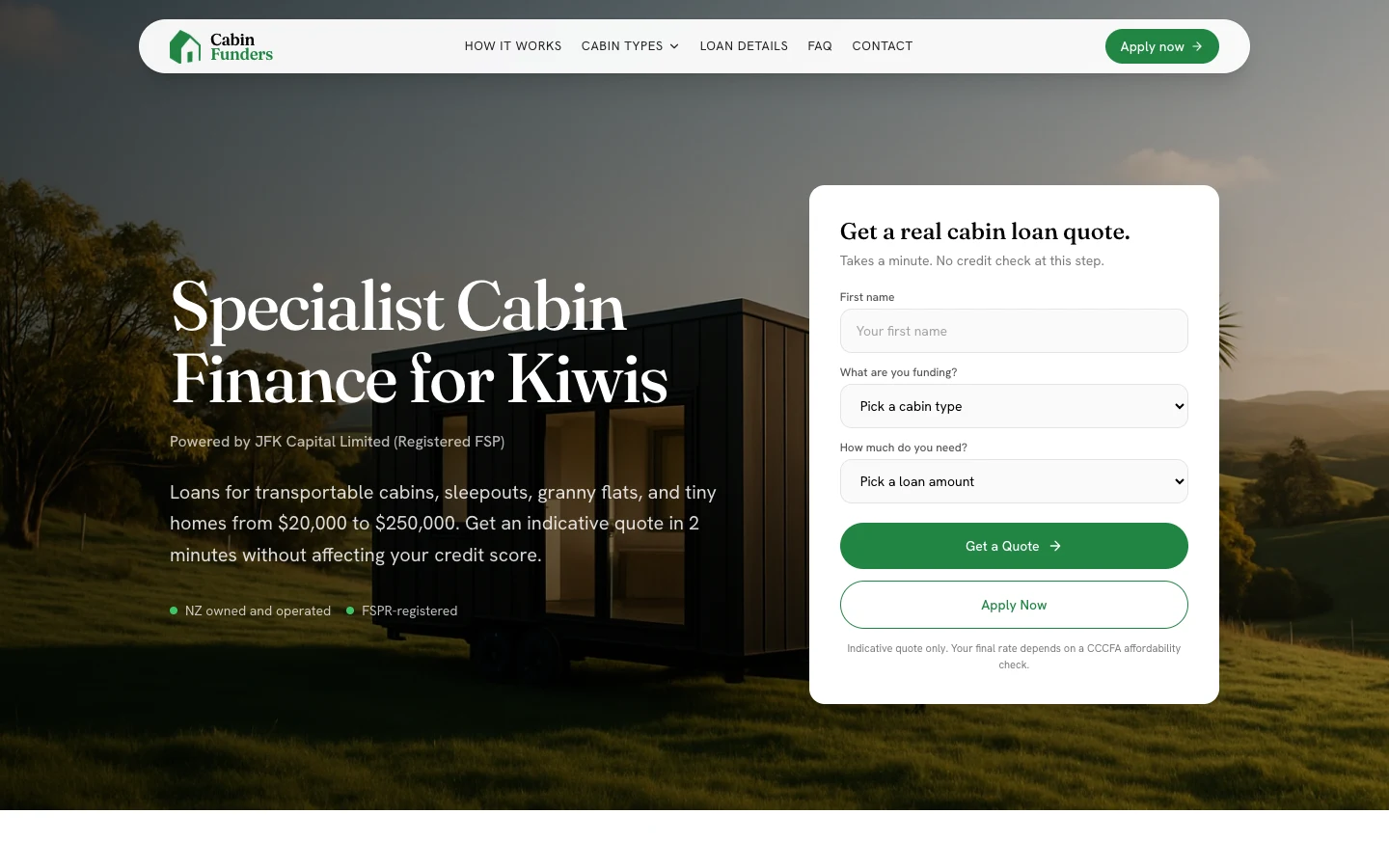
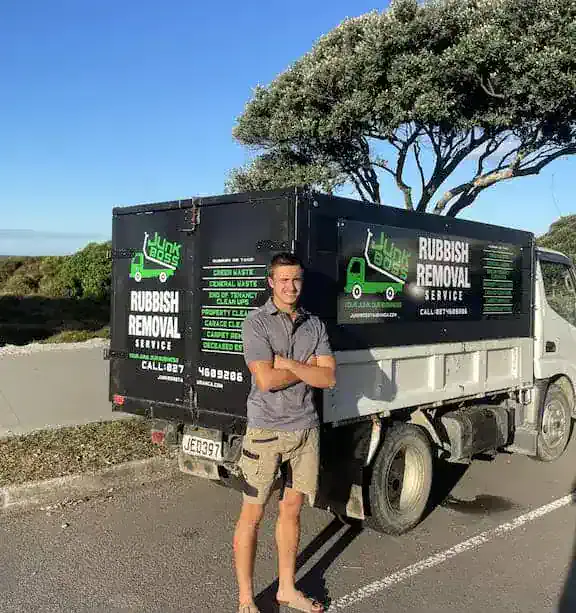
"Jason created our JunkBoss company website from start to finish. He always responded immediately, shared great ideas, and the final site looks spectacular!! Highly recommend to anyone looking to get their website done."
"Working with Lucid Media was an excellent experience from start to finish. They took the time to thoroughly analyse our previous website, understand our product, and align with our company goals. The results were outstanding: clean, strategic, and exactly what we needed to elevate our brand presence."

"I had a call with Jason and was so impressed by how in-depth it was. He really listened, understood where I'm at, and gave me a clear action plan that I can actually use. It was practical, straightforward, and made me feel confident moving forward with my ads. I couldn't recommend working with him enough."

"Jason was a delight to work with. He turned my vision into my dream website for my business in a matter of days. His service and support is unmatched. I am truly, blown away."

"Working with Jason from Lucid Media has been an absolute game changer for my social media presence. His strategies have helped increase engagement, improve reach, and bring a more polished and professional edge to my social platforms."

"I have been working with Jason from Lucid for a year now and he is absolutely brilliant, honest and reliable. His client first approach has meant his work is always on time and to a high standard. Most of all he actually gets the results he says he will."

"I had Lucid Media do some SEO work for us and I'm super impressed with the results. Jason also took the time to educate me deeply on the topic so I didn't feel like everything was smoke and mirrors like I have had with previous agencies."

"Jason has been awesome in the work he has done for us - he is fast, very responsive and professional. Would highly recommend!"

"Huge shoutout to Jason for putting together my real estate website. The site looks clean, professional, and easy to use. He made the whole process super simple and stress-free. Would definitely recommend him to anyone needing a website."

"We hired Jason for our business after having a bad experience with minimum effort and minimum results with another agency. Since being with Lucid and then tidying up our landing pages, and Google Ads and getting new leads running, our CPA dropped by 66% and lead quality increased 2 to 300%. This change was not only almost immediate but has been consistent for the last few months. He has a total depth of knowledge and a desire to get the absolute best outcomes as demonstrated by his consistent and detailed updates."

"Very happy with our experience with Jason. Felt he was really acting in our best interests and went beyond what we were expecting him to achieve. Would highly recommend his services."

"When the finance company I manage, Fee Funders, changed ownership, Lucid Media took over all aspects of our IT and technology, and the impact has been outstanding. Jason quickly learned our legacy systems and implemented critical changes."

Frequently asked questions
Straight answers to what people ask us about this. If yours isn't here, ask it below.
Get your free audit+ Related
Problems that often come with this one
-
High bounce rate
Visitors land on a page and leave without doing anything.
-
Poor mobile experience
Your site works on a desktop but is hard to read, tap and use on a phone.
-
Low conversion rate
People visit your website, but very few of them buy, book or get in touch.
Find out what's slowing your website down.
Tell us about your site. We'll look at what is causing the problem and come back with a plain-English plan for fixing it. No obligation.