Can a Normal Person Make a Website?
Yes, anyone can build a website today. But should they? Here's an honest look at what DIY website builders can and can't do for NZ businesses.
Key Takeaways
- Yes, anyone can now build a functional website using drag-and-drop tools without coding
- Platforms like Wix, Squarespace, and Webflow have made DIY web building genuinely accessible
- The harder question isn’t “can I build it?” but “will it actually generate results for my business?”
- DIY websites typically underperform in SEO, conversion rate, and custom functionality
- The hidden cost of DIY is your time, and for a business owner that cost is real
- A DIY website can be a valid starting point, but it’s rarely the long-term answer for a growing business
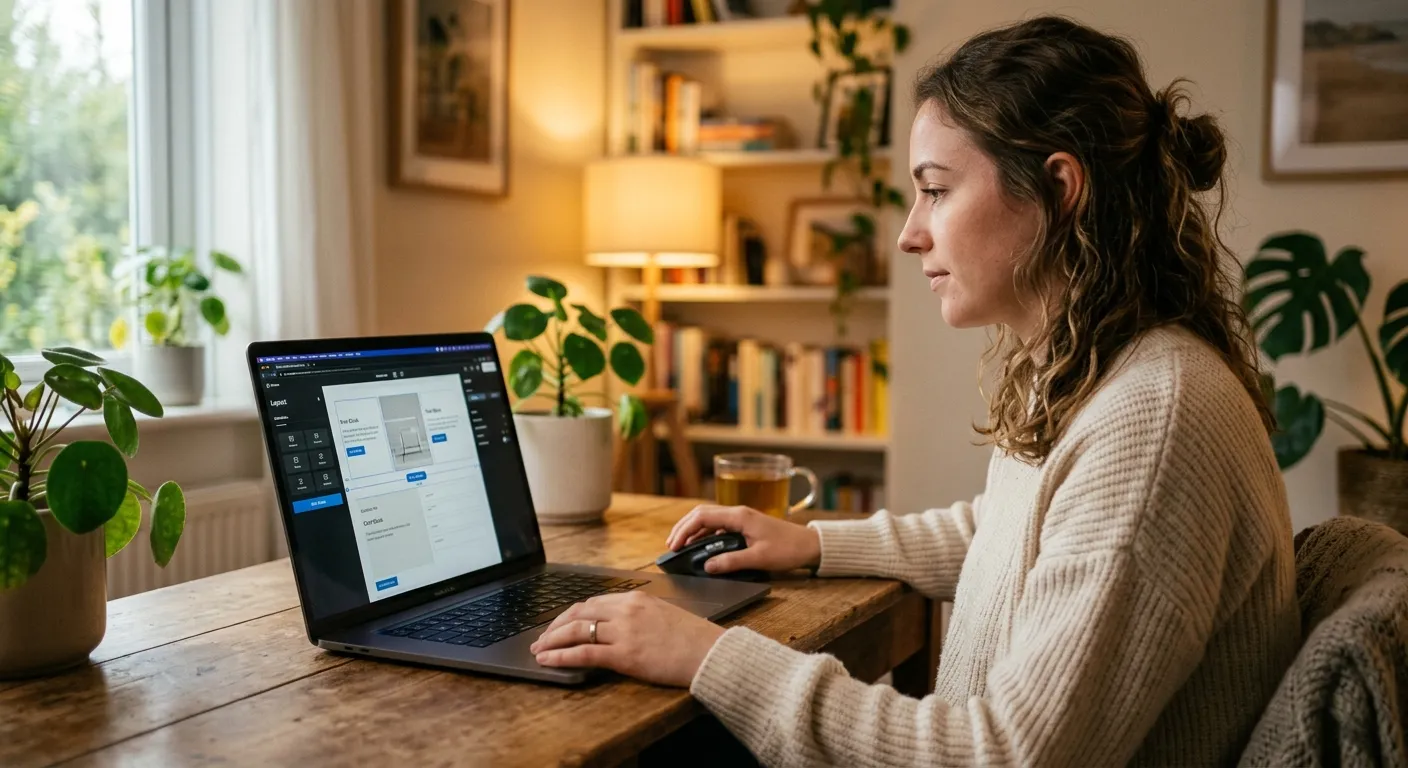
Yes, a normal person can absolutely build a website in 2026. You don’t need to know how to code, hire an agency, or spend months learning technical skills. Platforms like Wix, Squarespace, and Webflow have made it genuinely straightforward for non-technical people to create something that looks presentable and functions correctly.
So the real question isn’t whether you can do it. It’s whether you should.
What DIY Website Builders Do Well
The modern DIY website platforms are impressive products. They’ve invested enormously in making web creation accessible, and for certain use cases, they deliver real value.
You can get a website live in a weekend that:
- Looks clean and modern using well-designed templates
- Works on mobile without extra effort
- Handles basic contact forms
- Includes a blog if you want one
- Connects to basic analytics tools
For a sole trader who needs a professional online presence, or a new business testing a concept before investing further, this is often entirely sufficient.
Where DIY Starts to Fall Short
The limitations become more apparent as your requirements grow.
Search Engine Optimisation
SEO is where DIY platforms consistently underperform compared to professionally built websites. While platforms like Wix and Squarespace have improved their SEO tools, they still lag behind in technical SEO: site speed, structured data, crawl efficiency, and the kind of fine-grained technical control that helps competitive businesses rank.
If getting found in Google matters to your business, and for most businesses it does, the SEO ceiling on a DIY platform is a real constraint.
Custom Design and Conversion
Templates are built to look good to a general audience. They’re not built around your specific audience, your specific offer, or your specific conversion goals. A professional designer thinks about all of those things before a single element is placed on the page.
The result is that DIY websites typically convert at lower rates than professionally designed ones. They look fine. They just don’t perform as well.
Custom Functionality
If you need your website to connect to your CRM, integrate with a custom booking system, handle complex eCommerce logic, or do something beyond what the platform’s built-in tools support, you’ll quickly hit walls on a DIY platform.
The Hidden Cost of DIY
The most underestimated cost of building your own website is your time. Building a DIY website that looks decent takes significantly longer than most people expect, especially without design experience. And maintaining it, updating content, troubleshooting issues, and figuring out why something isn’t working, all of that continues to take time after launch.
For a business owner, that time has a real cost. Hours spent managing a website are hours not spent selling, serving clients, or running the business.
When DIY Is the Right Call
There are situations where building your own website makes complete sense:
- You’re pre-revenue and want to establish a basic online presence while you test your concept
- Your website is a secondary channel rather than a primary lead source
- You have some design background and can produce a quality result efficiently
- Your budget is genuinely very constrained and a professional build isn’t viable right now
In any of these situations, a DIY platform is a reasonable interim solution. Build something, validate your business model, and invest in a proper build when you’re ready.
The Honest Summary
Yes, a normal person can make a website. But a website that looks good is different from a website that performs well. If your website is a meaningful part of how you generate business, at some point the DIY limitations will cost you more than a professional build would have.
Thinking about upgrading from a DIY website to something built for results? Book a free discovery call with Lucid Media and let’s talk about what’s possible.
Related Posts

Written by
Jason Poonia
Jason Poonia is the founder and Managing Director of Lucid Media, helping NZ businesses grow online since 2018. With over 7 years delivering results for clients across New Zealand and internationally, Jason combines technical expertise with proven marketing strategies to help businesses attract more customers and build scalable systems. Background in Computer Science from the University of Auckland.